

Interior paint rarely fails all at once. It wears down a little at a time: scuffs along the hallway, fingerprints around light switches, a bathroom ceiling where steam has left the paint peeling, a living room color that looked fine fifteen years ago and now just looks tired. In older homes around San Rafael, you'll also find cracks in plaster walls and trim that's been painted so many times the detail has softened. In the Eichlers around Terra Linda and Lucas Valley, walls are often a mix of drywall, wood paneling and exposed beams, and each takes paint differently. Newer homes in Larkspur and around the county often have builder-grade flat paint that marks the moment something brushes against it. Either way, a good interior paint job is mostly about the work you don't see: patching, sanding and priming before the color goes on.
Free Estimate
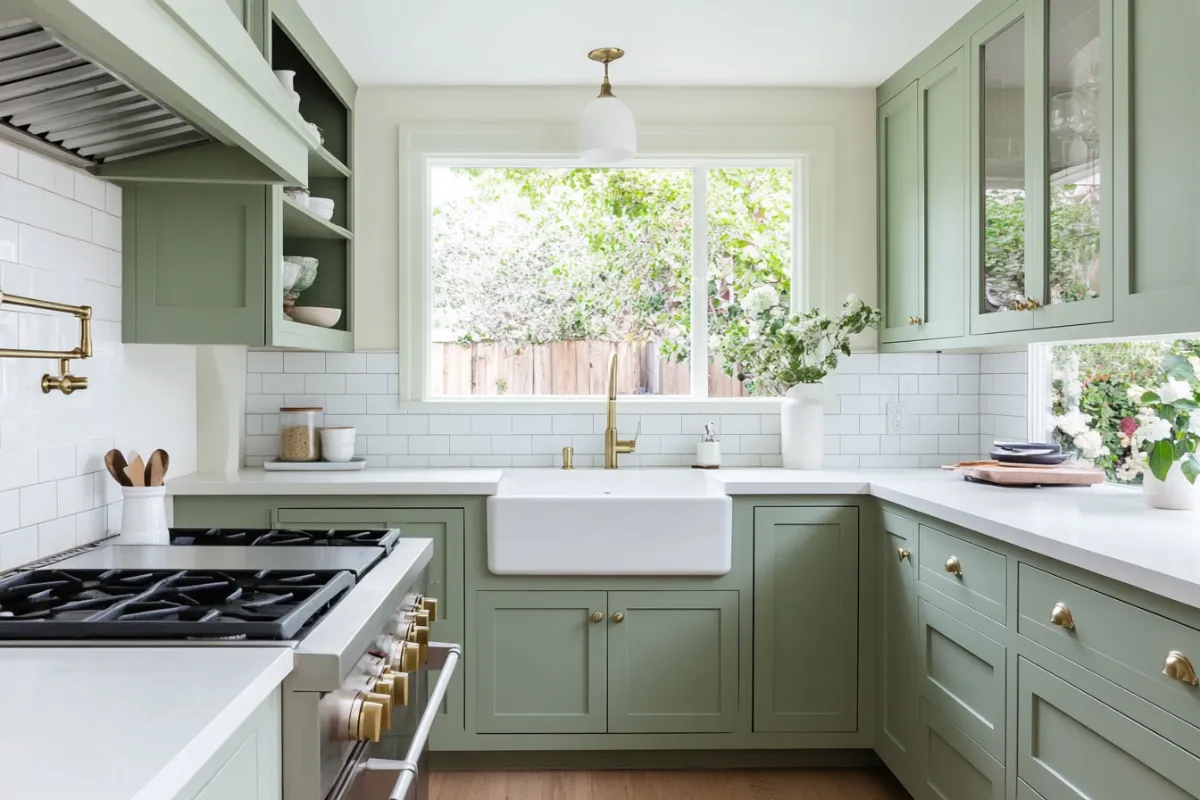
Below, we go through the signs a room is ready for paint, how to choose the right sheen for each room, what our process looks like day to day, and how to get your home ready before we start. If the kitchen is on your list, cabinet painting is often the biggest change you can make in one room without remodeling. You'll get a written estimate after a free walkthrough, with the rooms, surfaces and colors listed so the scope is clear.
When a Room Is Ready for Fresh Paint
Some signs are obvious, like peeling, water stains or nail holes left after art comes down. Others are easier to miss. Walls that won't come clean when you wipe them have usually worn through the top layer of paint. Hairline cracks at the corners of doors and windows show up as a house settles, and Marin's hillside homes move more than most. Small bubbles or flaking on a bathroom ceiling mean moisture is getting into the paint. Yellowed trim is common where oil-based paint was used decades ago. And sometimes the reason is simpler: you're selling the house, or a color you picked years ago no longer fits how you use the room. Kitchens tend to wear out first, since grease and steam settle on the walls and ceiling over time.
Picking the Right Sheen for Each Room
Sheen, meaning how shiny the dried paint looks, changes both how a room feels and how well the walls hold up. Flat or matte paint hides bumps and patches best, which is why it's the usual choice for ceilings. Eggshell has a soft glow and wipes clean reasonably well, so it works for living rooms, bedrooms and hallways. Satin is tougher and handles more scrubbing, a good fit for kitchens, kids' rooms and busy entryways. Semi-gloss is the hardest-wearing of the common sheens and stands up to moisture, so we use it on trim, doors and bathrooms. Indoors we use low-VOC paints, which give off less odor while they dry, so rooms are usable again soon after we finish. Color also looks different in Marin's foggy morning light than on a sunny afternoon, so it's worth seeing a sample on your own wall before deciding.
How We Paint the Inside of Your Home
Day one starts with protection. We move furniture to the middle of the room and cover it, lay drop cloths over the floors and mask off anything that isn't being painted. Switch plates and outlet covers come off. Then the prep: filling nail holes and dents, patching cracks, sanding patches smooth and caulking gaps along the trim. Stained spots, like old water marks, get a stain-blocking primer so they don't bleed through the new color. Ceilings get painted first, then walls, then trim and doors last. Two finish coats are standard, and dark colors or big color changes may need a primer coat first so the new color comes out even. We cut in edges by hand for clean lines where the wall meets the ceiling. At the end of each day, we clean up so you can still use your home in the evening.
Getting Your Home Ready Before We Arrive
You don't have to do much, but a few things make the job go faster. Take down art, mirrors and anything breakable from the walls and shelves. Clear small items off dressers and counters in the rooms we're painting. If you have valuable or delicate furniture, tell us during the walkthrough so we can plan around it, or move it out of the room yourself. Settle on colors before the start date, or ask us to paint sample swatches during the estimate visit. If you have pets, plan on a closed-off room for them while we work. And let us know which rooms you need back first, so we can schedule the job around how your household actually runs. If a room has heavy furniture that needs to come out, mention it ahead of time.
If the outside is due as well, we can plan exterior house painting for the drier months and handle both jobs together.
Common Questions
Yes, and most of our interior jobs work that way. We paint one or two rooms at a time so the rest of the house stays usable, keep doorways clear, and clean up before we leave each day. Low-VOC paint keeps the smell down, so bedrooms can usually be slept in again soon after the last coat. If you work from home, tell us which room is your office and we'll schedule around your calls.
We handle the patching that comes with a paint job: nail holes, dents, small cracks, loose tape seams and minor water marks on drywall or plaster. Plaster walls in older Marin homes often have hairline cracks that come back if they're only filled, so we tape or bond them first. Larger damage, like a soft spot from an old leak, we'll point out during the walkthrough, because the cause needs fixing before any paint goes on.
Usually, yes, if you're painting the walls. Ceilings yellow slowly from sunlight, cooking and fireplaces, and you only notice how dingy they've gotten once fresh paint is right next to them. Painting the ceiling on the same visit also costs less than coming back later, since the room is already covered and prepped. The exception is a ceiling with heavy texture or old acoustic material, which we'll look at during the estimate before recommending anything.