
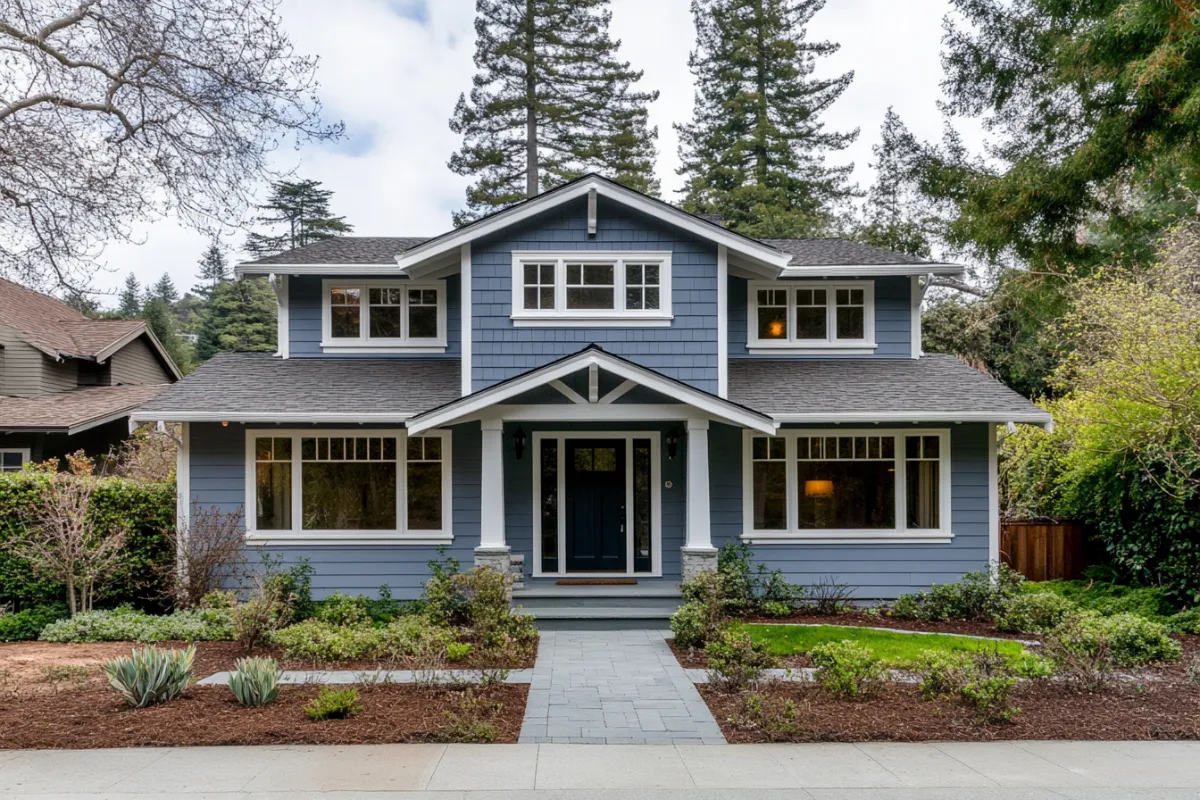
Mill Valley is a hard place for paint to last. Homes tucked under redwoods and against the slopes of Mount Tamalpais stay shaded much of the day, and in summer the fog often sits over town until late morning. Wood siding on those homes rarely gets a chance to dry out completely. The result is mildew, green algae on the north walls, moss on fences and decks, and paint that blisters or peels because moisture is pushing out from behind it. Many houses here are brown-shingle or board-and-batten, built decades ago and repainted or restained many times since. Add steep lots, long stairways and narrow streets, and painting a Mill Valley home takes more planning than the same job on flat ground in Novato.
Free Estimate
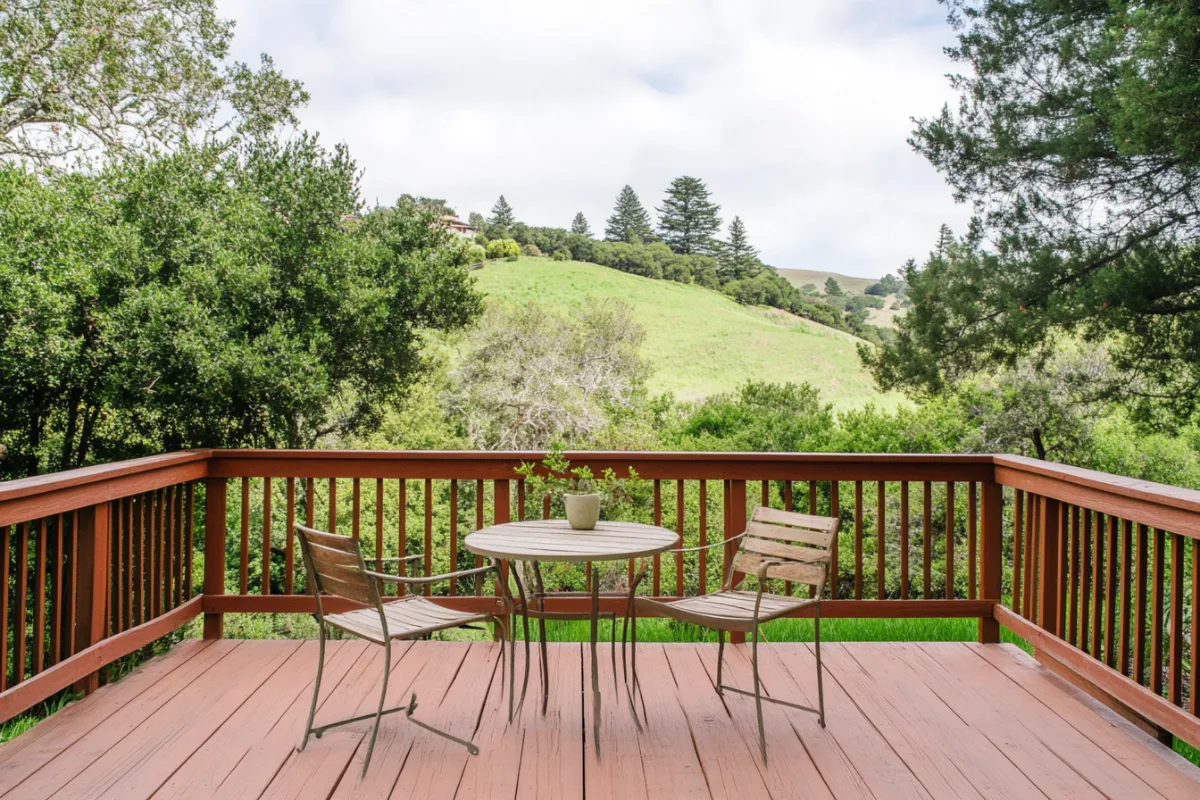
We plan around all of that. Our exterior painting in Mill Valley starts with killing mildew and letting the wood dry properly, and many homes here get their shingles stained instead of painted, which suits the wood and the look of the neighborhood. Give us a call to set up a visit and a written price.
Fog, Shade and Mildew on Mill Valley Homes
Mildew isn't only a cleaning problem. It grows on the surface of the paint, and on a wall that stays damp, it comes back within months if it's simply washed off. Before painting, we treat it with a cleaner that kills it, rinse, and give the wood time to dry, which in a shady Mill Valley yard can take longer than people expect. We use paints with mildew-resistant additives on the north and shaded sides. It also helps to cut back branches and shrubs that touch the house, so air can move along the siding. Gutters matter too. Overflowing gutters packed with redwood needles dump water down the same walls every winter, and no paint survives that for long. Wood that's been wet for years sometimes hides soft spots under the paint, so we probe sills and the lower siding boards before pricing the job. Homes in the canyons of Larkspur and along the creeks in Corte Madera see the same pattern, and we treat them the same way.
Steep Lots, Stairs and Access
A lot of Mill Valley homes sit well above or below the street, reached by long stairways or narrow paths. That changes how a paint job runs. Ladders, drop cloths and paint have to be carried in by hand, scaffolding sometimes makes more sense than ladders on a sloped yard, and parking a work truck on a narrow street takes some thought so neighbors can still get by. We look at all of this during the walkthrough and build it into the estimate, so nothing surprises you later. Overgrown paths and stairs may need a little clearing before the first day, and we'll mention it at the walkthrough if so. Scheduling matters too. Exterior work here fits best from late spring into fall, after the wet season, when walls have had time to dry out. In the wet months, we shift to painting inside the house, where the weather doesn't matter.